Our Services
- Benign Prostatic Hyperplasia (BPH)
- Bladder Cancer
- Bladder infection
- Bladder Stone
- Circumcision
- Erectile dysfunction
- Kidney cancer
- Kidney infection
- Kidney Stone
- Overactive Bladder
- Prostate Cancer
- Prostatic Enlargement (Benign)
- Prostatitis
- Sexual Problems
- Testicular Cancer
- Ureteric Stone
- Urinary Incontinence
- Urinary Tract Infection
- Urinary Tract Obstruction
- Varicocele
About Dr. Deepak Mane
Dr. Deepak Mane is a Genito Urinary Medicine Physician and Urologist in Pimple Saudagar, Pune and has an experience of 21 years in these fields. Dr. Deepak Mane practices at Eras Bharati Hospital in Pimple Saudagar, Pune,7 Orange Hospitals in Pimpri-Chinchwad, Pune and Shree Multispeciality Hospital and ICU in Moshi, Pune.
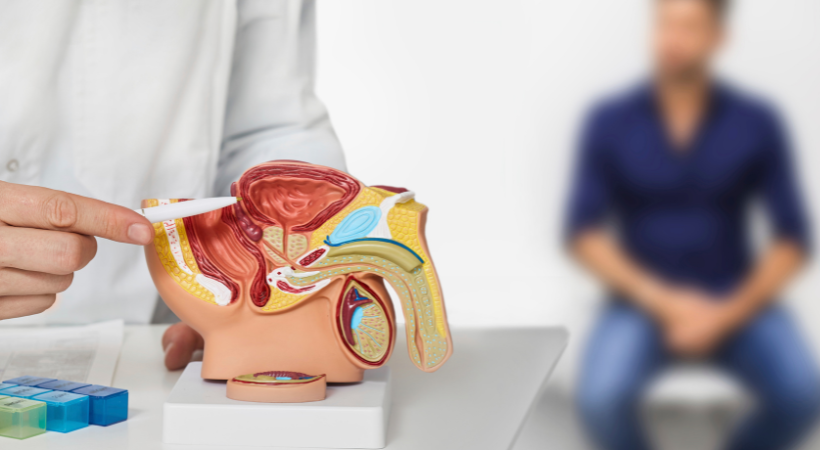
Benign Prostatic Hyperplasia (BPH), commonly known as an enlarged prostate, is one of the most frequent urological conditions affecting men, especially above the age of 50. As the prostate gland grows in size, it can begin to squeeze or block the urethra, leading to urinary problems that can significantly affect daily life. While BPH is not cancer and does not increase the risk of prostate cancer, the symptoms can be troubling and often require medical attention.
What is BPH?
BPH is the non-cancerous enlargement of the prostate gland. Over time, as the gland grows, it compresses the urethra—the tube that carries urine out of the body—leading to obstruction of urine flow. The exact cause of this enlargement is not known, but hormonal changes with age are believed to play a major role.
Common Symptoms of BPH
Men with BPH may experience one or many of the following symptoms:
Difficulty starting urination
Weak or interrupted urine stream
Frequent urination, especially at night (nocturia)
Sudden, urgent need to urinate
Incomplete emptying of the bladder
Dribbling at the end of urination
Burning sensation (if infection develops)
These symptoms may worsen over time, making early evaluation important.
Complications if Untreated
While BPH itself is not dangerous, prolonged obstruction can lead to:
Urinary tract infections
Acute urinary retention
Bladder stones
Kidney damage due to back pressure
Frequent hospital visits due to urinary problems
Seeking timely treatment prevents long-term complications.
Diagnosis
A complete evaluation includes:
Physical examination
Digital rectal exam (DRE)
Urine test
Ultrasound of kidneys and bladder
PSA (Prostate-Specific Antigen) test
Uroflowmetry (measures urine flow)
These tests help determine the severity of enlargement and the right course of treatment.
Treatment Options for BPH
Treatment depends on the intensity of symptoms and overall health of the patient.
1. Lifestyle Modifications
Reducing caffeine and alcohol
Avoiding drinking water before bedtime
Regular exercise
Bladder training techniques
2. Medications
Alpha-blockers (relax prostate muscles for easier urine flow)
5-alpha-reductase inhibitors (shrink the prostate over time)
Combination therapy for better results
3. Minimally Invasive Procedures
These are preferred because of quick recovery and less pain:
TURP (Transurethral Resection of Prostate) – Gold standard treatment
Laser Prostate Surgery – Holmium/Thulium laser for bloodless removal
UroLift System – Lifts prostate tissue to open the urinary channel
Prostatic artery embolization
4. Surgical Options
For very large prostates or severe symptoms, open or robotic prostatectomy may be recommended.
Recovery and Prognosis
Most patients experience quick relief of symptoms after treatment. Minimally invasive procedures allow faster recovery, less bleeding, and reduced hospital stay.
Why Choose Us for BPH Treatment?
Experienced urologist with expertise in laser and minimally invasive surgery
Advanced diagnostic facilities
Personalized treatment according to age, symptoms, and health
High patient success rate
Comprehensive follow-up care
Early treatment ensures better outcomes and prevents complications. If you experience urinary difficulties, timely evaluation is essential.