
Our Services
- Benign Prostatic Hyperplasia (BPH)
- Bladder Cancer
- Bladder infection
- Bladder Stone
- Circumcision
- Erectile dysfunction
- Kidney cancer
- Kidney infection
- Kidney Stone
- Overactive Bladder
- Prostate Cancer
- Prostatic Enlargement (Benign)
- Prostatitis
- Sexual Problems
- Testicular Cancer
- Ureteric Stone
- Urinary Incontinence
- Urinary Tract Infection
- Urinary Tract Obstruction
- Varicocele
About Dr. Deepak Mane
Dr. Deepak Mane is a Genito Urinary Medicine Physician and Urologist in Pimple Saudagar, Pune and has an experience of 21 years in these fields. Dr. Deepak Mane practices at Eras Bharati Hospital in Pimple Saudagar, Pune,7 Orange Hospitals in Pimpri-Chinchwad, Pune and Shree Multispeciality Hospital and ICU in Moshi, Pune.
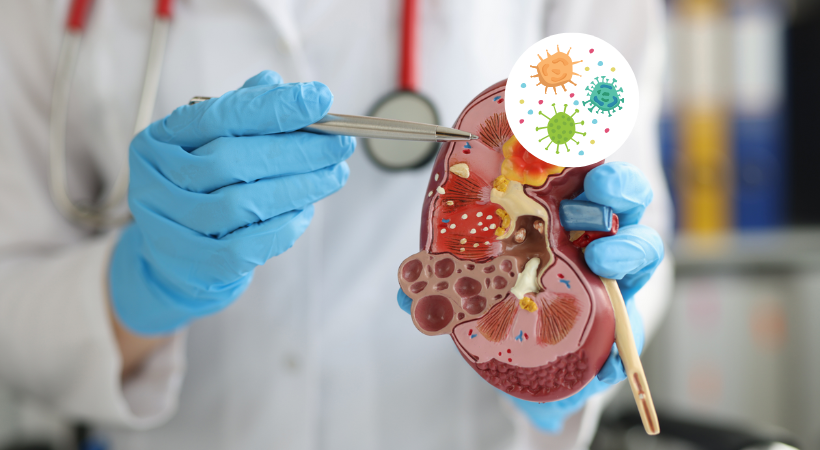
A kidney infection, medically called pyelonephritis, is a serious urinary tract infection that begins in the bladder and travels upward into one or both kidneys. If not treated promptly, a kidney infection can lead to permanent kidney damage or spread to the bloodstream, causing life-threatening complications. With proper diagnosis and timely care, most infections are treatable quickly and effectively.
What Is a Kidney Infection?
A kidney infection occurs when bacteria enter the urinary tract and travel to the kidneys. It is often caused by untreated bladder infections but can also occur due to obstructions like kidney stones or prostate enlargement.
Symptoms of Kidney Infection
Kidney infections cause much more intense symptoms than a simple urinary infection.
Common signs include:
High fever with chills
Pain in the lower back or sides
Burning sensation during urination
Frequent urge to urinate
Cloudy or foul-smelling urine
Nausea and vomiting
Weakness or fatigue
Blood in urine
These symptoms require immediate medical care.
Causes and Risk Factors
Several factors increase the risk of kidney infection:
Untreated bladder infection
Kidney stones
Enlarged prostate (BPH) in men
Pregnancy
Diabetes
Weak immune system
Vesicoureteral reflux (urine flows backward)
Use of urinary catheters
Women are more prone due to shorter urethra, but men develop kidney infections if urine flow is blocked.
Diagnosis
Accurate testing is essential to determine the severity.
Urine routine examination
Urine culture
Blood tests (CBC, kidney function)
Ultrasound of kidneys
CT scan in severe cases
These tests confirm infection and help plan treatment.
Treatment Options
Kidney infections must be treated aggressively to prevent complications.
1. Antibiotic Therapy
The main treatment for kidney infections.
IV antibiotics may be needed in severe cases.
2. Fever & Pain Management
Medications reduce inflammation and discomfort.
3. Hydration Therapy
Patients are advised to increase fluid intake to flush bacteria out.
4. Treating Underlying Causes
Such as:
Removing kidney stones
Managing prostate enlargement
Treating bladder obstruction
Catheter removal or replacement
5. Hospital Admission
Required for severe infections, high fever, vomiting, or kidney dysfunction.
Complications if Untreated
Ignoring kidney infection can cause:
Chronic kidney disease
Permanent kidney scarring
Sepsis (life-threatening condition)
Recurrent infections
Bloodstream infection
Prompt treatment prevents long-term damage.
Prevention Tips
Stay hydrated
Do not delay urination
Complete all prescribed antibiotics
Practice hygiene
Manage diabetes effectively
Treat bladder infections early
Why Choose Us for Kidney Infection Treatment?
Quick diagnostic testing
Expert management of mild to severe infections
Treatment of root causes to prevent recurrence
Round-the-clock emergency care
Personalized follow-up plans
We focus not only on treating the infection but also on protecting long-term kidney health.