
Our Services
- Benign Prostatic Hyperplasia (BPH)
- Bladder Cancer
- Bladder infection
- Bladder Stone
- Circumcision
- Erectile dysfunction
- Kidney cancer
- Kidney infection
- Kidney Stone
- Overactive Bladder
- Prostate Cancer
- Prostatic Enlargement (Benign)
- Prostatitis
- Sexual Problems
- Testicular Cancer
- Ureteric Stone
- Urinary Incontinence
- Urinary Tract Infection
- Urinary Tract Obstruction
- Varicocele
About Dr. Deepak Mane
Dr. Deepak Mane is a Genito Urinary Medicine Physician and Urologist in Pimple Saudagar, Pune and has an experience of 21 years in these fields. Dr. Deepak Mane practices at Eras Bharati Hospital in Pimple Saudagar, Pune,7 Orange Hospitals in Pimpri-Chinchwad, Pune and Shree Multispeciality Hospital and ICU in Moshi, Pune.
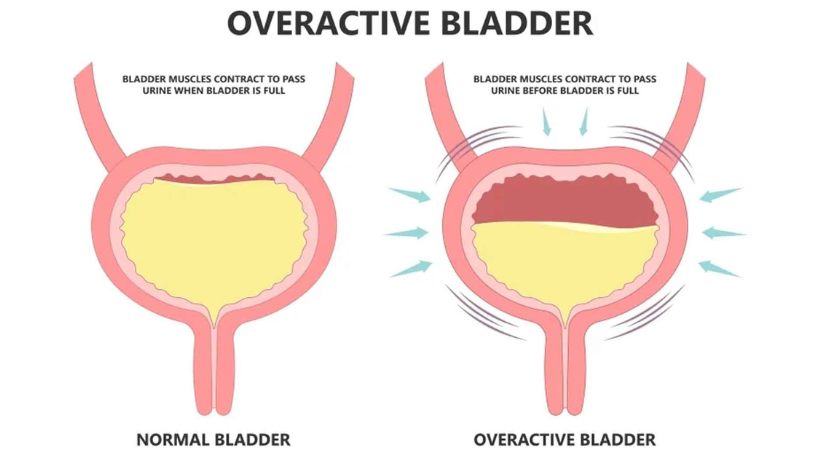
Overactive Bladder (OAB) is a common condition where the bladder contracts involuntarily, causing sudden urges to urinate—even when the bladder isn’t full. It can significantly affect daily life, sleep quality, work productivity, and confidence. With the right diagnosis and treatment plan, OAB can be managed effectively, improving both comfort and lifestyle.
What Is Overactive Bladder?
OAB is characterized by a group of urinary symptoms including frequent urination, urgency, and sometimes urinary leakage. It occurs when bladder muscles become overactive or overly sensitive.
Key Symptoms of Overactive Bladder
Sudden, uncontrollable urge to urinate
Frequent urination (more than 8 times a day)
Waking up multiple times at night to urinate (Nocturia)
Urine leakage before reaching the toilet (Urgency incontinence)
Feeling the bladder is never empty
Symptoms may vary from mild to severe and can disrupt daily routines.
Causes & Risk Factors
OAB may occur due to:
Weak pelvic floor muscles
Nerve dysfunction
Urinary tract infections
Bladder inflammation
Enlarged prostate in men
Diabetes
Obesity
Aging
Excess caffeine or alcohol intake
Neurological conditions (e.g., stroke, Parkinson’s)
In many patients, the exact cause may not be identified, but symptoms can still be effectively treated.
Diagnosis
Evaluation includes:
Physical examination
Urine tests (routine & culture)
Post-void residual urine test
Bladder diary
Ultrasound of kidneys & bladder
Urodynamic study (checks bladder pressure & behavior)
This helps determine whether the symptoms are due to OAB or another condition like infection or obstruction.
Treatment Options for Overactive Bladder
OAB is highly manageable with proper therapy.
1. Lifestyle Modifications
Reduce caffeine & alcohol
Weight management
Drink water at regular intervals
Avoid bladder irritants
Quit smoking
2. Bladder Training
Scheduled urination
Delaying urination gradually
Strengthening bladder control
3. Pelvic Floor Exercises (Kegels)
Helps improve muscle strength and reduce urgency.
4. Medications
Drugs such as anticholinergics and beta-3 agonists help relax bladder muscles.
5. Botox Injections
Used for patients who do not respond to medications.
Botox relaxes bladder muscles and reduces urgency.
6. Nerve Stimulation Therapy
Helps control bladder contractions through electrical stimulation.
7. Surgery
Rarely required but used in very severe cases.
When to Seek Medical Help?
Consult a specialist if you have:
Frequent urination interfering with daily activities
Sudden urine leaks
Night-time urination affecting sleep
Persistent urgency
Symptoms lasting more than 2–3 weeks
Why Choose Us for OAB Treatment?
Complete diagnostic evaluation including urodynamics
Treatment customized to age, severity, and lifestyle
Expertise in non-invasive and advanced therapies
Focus on long-term relief and quality of life
Supportive counselling & follow-up care
With timely care, Overactive Bladder can be controlled, allowing patients to lead a comfortable, confident life.