
Our Services
- Benign Prostatic Hyperplasia (BPH)
- Bladder Cancer
- Bladder infection
- Bladder Stone
- Circumcision
- Erectile dysfunction
- Kidney cancer
- Kidney infection
- Kidney Stone
- Overactive Bladder
- Prostate Cancer
- Prostatic Enlargement (Benign)
- Prostatitis
- Sexual Problems
- Testicular Cancer
- Ureteric Stone
- Urinary Incontinence
- Urinary Tract Infection
- Urinary Tract Obstruction
- Varicocele
About Dr. Deepak Mane
Dr. Deepak Mane is a Genito Urinary Medicine Physician and Urologist in Pimple Saudagar, Pune and has an experience of 21 years in these fields. Dr. Deepak Mane practices at Eras Bharati Hospital in Pimple Saudagar, Pune,7 Orange Hospitals in Pimpri-Chinchwad, Pune and Shree Multispeciality Hospital and ICU in Moshi, Pune.
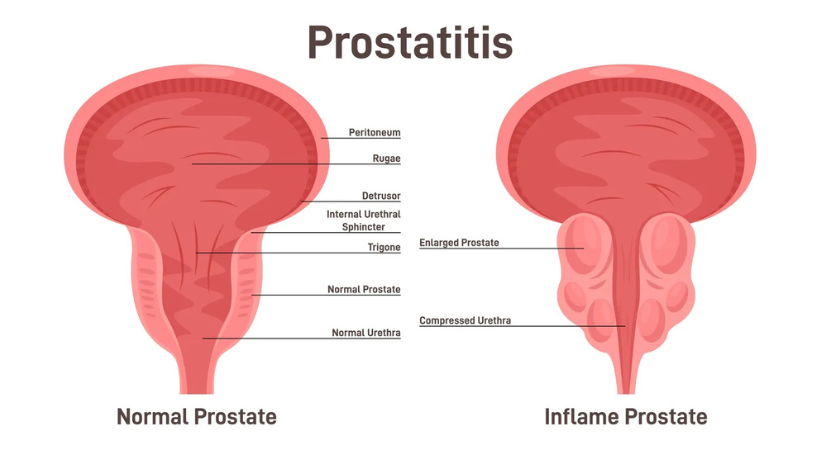
Prostatitis is a condition characterized by inflammation or swelling of the prostate gland. It can affect men of all ages but is most common in men between 20 and 50 years. Unlike prostate enlargement or prostate cancer seen in older men, prostatitis often develops suddenly due to infection, stress, pelvic muscle tightening, or chronic inflammation. The symptoms can be uncomfortable and require timely medical attention.
Prostatitis can be acute, chronic, bacterial, or non-bacterial, and each type needs different treatment. Although not life-threatening, it can significantly disturb daily routine, sexual health, and quality of life.
Causes & Types of Prostatitis
1. Acute Bacterial Prostatitis
This is a sudden and severe infection of the prostate caused by bacteria entering the urinary tract. It requires urgent treatment.
2. Chronic Bacterial Prostatitis
Occurs when bacteria persist in the prostate for a long time, leading to recurring urinary tract infections.
3. Chronic Prostatitis / Chronic Pelvic Pain Syndrome (CP/CPPS)
The most common type. It may occur without any bacterial infection and is often associated with stress, pelvic muscle spasm, inflammation, or nerve dysfunction.
4. Asymptomatic Inflammatory Prostatitis
Inflammation is present but without symptoms. It is usually found during tests for other conditions.
General Causes Include:
Bacterial infection
Urinary tract infections
Stress and anxiety
Pelvic floor muscle tension
Immune system disorders
Bladder dysfunction
Injury to pelvic area
Long periods of sitting
Sexually transmitted infections
Signs & Symptoms
Symptoms vary depending on the type but commonly include:
Pain or burning during urination
Frequent urination
Urgency to pass urine
Difficulty starting urination
Weak urine flow
Pain in the lower abdomen, pelvis, groin, or lower back
Pain between the scrotum and anus (perineum)
Painful ejaculation
Erectile difficulties
Fever or chills (in acute cases)
Cloudy or foul-smelling urine
Symptoms can come and go, especially in chronic cases.
Diagnosis
A urologist performs several tests to diagnose prostatitis accurately:
Medical history & symptom review
Digital rectal examination (DRE)
Urine analysis and culture
Prostate fluid analysis (EPS)
Blood tests
Ultrasound or CT scan
PSA levels
Uroflowmetry
Correct diagnosis helps determine the exact type and appropriate treatment.
Treatment Options
Treatment depends on the cause and type of prostatitis.
1. Antibiotics
For bacterial prostatitis, antibiotics are the first line of treatment. Acute cases respond well, but chronic bacterial prostatitis may require long-term antibiotics.
2. Anti-inflammatory Medications
Help relieve pain, inflammation, and swelling.
3. Alpha-Blockers
These medications relax the prostate and bladder neck muscles to improve urine flow and reduce discomfort.
4. Pain Management Therapies
For chronic pelvic pain syndrome:
Warm water baths
Physiotherapy
Pelvic floor muscle relaxation
Biofeedback therapy
5. Lifestyle Modifications
Patients are advised to:
Reduce caffeine and alcohol
Avoid spicy foods
Drink plenty of water
Avoid sitting for long hours
Use cushions while sitting
Practice stress reduction techniques
6. Sexual Health Management
If prostatitis affects sexual function, doctors may suggest:
Ejaculation frequency adjustment
Medications for erectile function
Counseling and therapy
7. Minimally Invasive Procedures
Rarely needed but may include drainage for abscesses or special therapies for chronic cases.
Conclusion
Prostatitis is a common yet treatable condition. With accurate diagnosis, proper medications, lifestyle changes, and modern therapeutic techniques, patients can experience significant relief. Early consultation with a urologist helps prevent complications and improve overall quality of life.