Our Services
- Benign Prostatic Hyperplasia (BPH)
- Bladder Cancer
- Bladder infection
- Bladder Stone
- Circumcision
- Erectile dysfunction
- Kidney cancer
- Kidney infection
- Kidney Stone
- Overactive Bladder
- Prostate Cancer
- Prostatic Enlargement (Benign)
- Prostatitis
- Sexual Problems
- Testicular Cancer
- Ureteric Stone
- Urinary Incontinence
- Urinary Tract Infection
- Urinary Tract Obstruction
- Varicocele
About Dr. Deepak Mane
Dr. Deepak Mane is a Genito Urinary Medicine Physician and Urologist in Pimple Saudagar, Pune and has an experience of 21 years in these fields. Dr. Deepak Mane practices at Eras Bharati Hospital in Pimple Saudagar, Pune,7 Orange Hospitals in Pimpri-Chinchwad, Pune and Shree Multispeciality Hospital and ICU in Moshi, Pune.
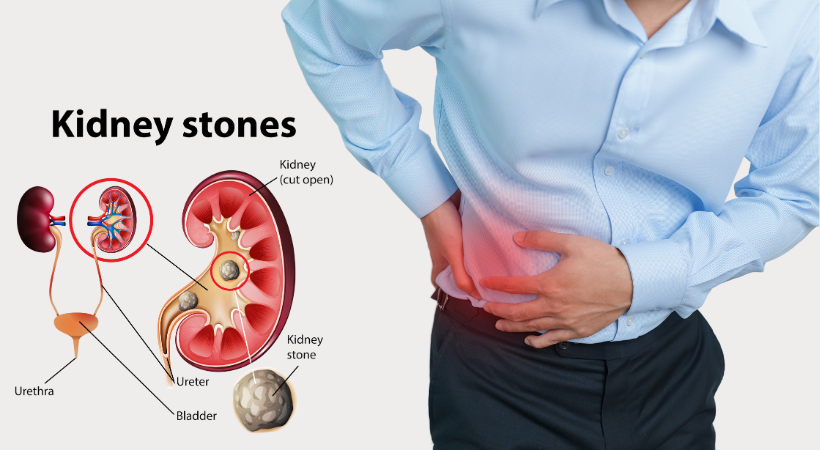
A ureteric stone is a kidney stone that has moved into the ureter—the thin tube that carries urine from the kidneys to the bladder. When a stone blocks the ureter, it causes severe pain, infection, or urinary obstruction. Ureteric stones are a very common urological problem and require timely treatment to relieve pain and prevent kidney damage.
Causes
Stones form when minerals in the urine crystallize. The most common causes include:
Dehydration
High salt diet
Excess intake of oxalate-rich foods
Family history of kidney stones
Obesity
Urinary infections
Medical conditions like gout
Excess vitamin D or calcium supplements
Stones may vary in size from small grains to larger ones that block the ureter.
Symptoms
A ureteric stone usually causes sudden, sharp, and intense symptoms:
Severe pain in the back, side, or lower abdomen
Pain radiating to the groin or testicles
Nausea and vomiting
Burning or difficulty urinating
Frequent urge to urinate
Blood in the urine
Fever or chills (sign of infection — medical emergency)
The pain often comes in waves, known as “renal colic.”
Diagnosis
To confirm the presence and location of a ureteric stone, the doctor may recommend:
Ultrasound
X-ray KUB
Non-contrast CT scan (most accurate test)
Urine analysis
Blood tests to check kidney function
These tests help determine the size, location, and severity.
Treatment Options
Treatment depends on the size of the stone and the severity of symptoms.
1. Medical Management (For Small Stones)
Stones less than 5 mm may pass naturally with:
Pain-relief medications
Alpha-blockers to relax the ureter
Hydration and dietary changes
2. Minimally Invasive Procedures
a) Ureteroscopy (URS)
A thin scope is passed through the urine passage to reach the stone. Laser is used to break the stone into small pieces which are removed safely.
b) Laser Lithotripsy
A high-powered laser precisely breaks the stone into fine dust (dusting technique).
c) DJ Stent Placement
A temporary stent is placed inside the ureter to relieve obstruction, reduce pain, and help stone fragments pass easily.
3. ESWL (Shockwave Lithotripsy)
Shockwaves are used to break the stone from outside the body. Effective for selected types of stones.
4. PCNL (Percutaneous Nephrolithotomy)
For very large or impacted stones, a small hole is made in the back to remove the stone directly.
Diet & Prevention
To prevent recurrence:
Drink 2–3 liters of water daily
Reduce salt intake
Avoid excessive tea, coffee, and soft drinks
Cut down on oxalate-rich foods (spinach, nuts, chocolate)
Consume a balanced diet with fruits and vegetables
Maintain a healthy weight
A metabolic evaluation may be recommended for recurrent stone formers.
Conclusion
Ureteric stones can cause severe pain and urinary obstruction, but modern treatments offer quick relief. Minimally invasive techniques like URS and laser lithotripsy provide excellent outcomes with fast recovery. Early diagnosis, hydration, and lifestyle modifications help prevent recurrence and protect kidney health.