
Our Services
- Benign Prostatic Hyperplasia (BPH)
- Bladder Cancer
- Bladder infection
- Bladder Stone
- Circumcision
- Erectile dysfunction
- Kidney cancer
- Kidney infection
- Kidney Stone
- Overactive Bladder
- Prostate Cancer
- Prostatic Enlargement (Benign)
- Prostatitis
- Sexual Problems
- Testicular Cancer
- Ureteric Stone
- Urinary Incontinence
- Urinary Tract Infection
- Urinary Tract Obstruction
- Varicocele
About Dr. Deepak Mane
Dr. Deepak Mane is a Genito Urinary Medicine Physician and Urologist in Pimple Saudagar, Pune and has an experience of 21 years in these fields. Dr. Deepak Mane practices at Eras Bharati Hospital in Pimple Saudagar, Pune,7 Orange Hospitals in Pimpri-Chinchwad, Pune and Shree Multispeciality Hospital and ICU in Moshi, Pune.
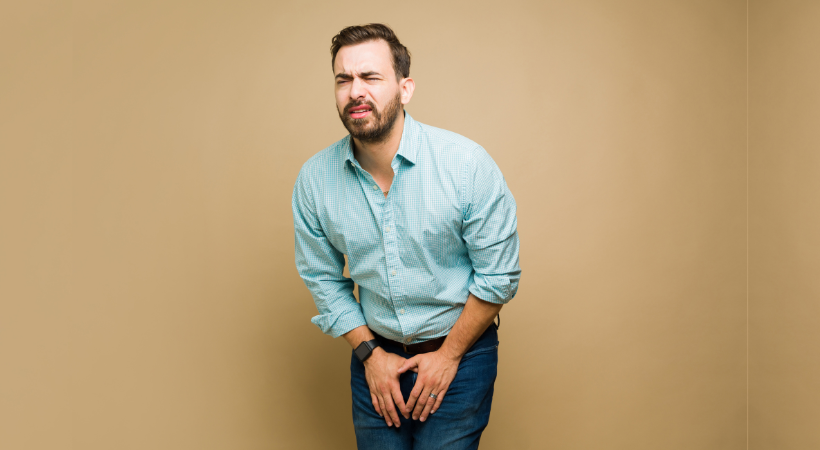
Urinary Incontinence is a common condition in which a person loses control over their bladder, leading to involuntary leakage of urine. It affects both men and women, but is more common in women due to pregnancy, childbirth, and menopause. Although embarrassing for many patients, urinary incontinence is highly treatable with modern medical care, lifestyle modification, and advanced urological procedures.
What is Urinary Incontinence?
Urinary incontinence occurs when the muscles and nerves that help hold or release urine stop working properly. It may be temporary or long-term depending on the underlying cause. The amount of urine leakage can vary from small occasional dribbling to complete inability to hold urine.
It is NOT a disease but a symptom of an underlying problem that needs evaluation.
Types of Urinary Incontinence
1. Stress Incontinence
Leakage occurs during physical activities such as coughing, sneezing, laughing, lifting weights, or exercising. It happens when pelvic floor muscles weaken.
2. Urge Incontinence
Sudden, intense urge to urinate followed by leakage. This is often due to overactive bladder.
3. Overflow Incontinence
Frequent or constant dribbling of urine due to incomplete bladder emptying. Very common in men with enlarged prostate.
4. Mixed Incontinence
Combination of stress and urge incontinence.
5. Functional Incontinence
Occurs when a person cannot reach the toilet in time due to mobility problems or medical conditions.
Common Causes
Urinary incontinence can be caused by:
Weak pelvic floor muscles
Vaginal childbirth or multiple pregnancies
Menopause and hormonal changes
Enlarged prostate (BPH) in men
Urinary tract infections
Neurological disorders like stroke, Parkinson’s, or spinal injury
Obesity
Diabetes
Excessive caffeine or alcohol consumption
Certain medications such as diuretics
Overactive bladder
Symptoms
Symptoms vary depending on the type:
Sudden strong urge to urinate
Frequent urination
Leakage during coughing/laughing
Bedwetting
Inability to control urine
Dribbling after urination
Feeling of incomplete emptying
If symptoms persist, immediate evaluation is recommended.
Diagnosis & Tests
Complete medical history
Physical / pelvic examination
Urine test (urinalysis)
Bladder diary
Post-void residual test
Ultrasound of kidney, bladder & prostate
Urodynamic study to measure bladder function
Cystoscopy to view bladder internally
Accurate diagnosis helps determine the correct treatment.
Treatment Options
1. Lifestyle Modifications
Reduce caffeine and alcohol
Maintain healthy weight
Avoid smoking
Scheduled toilet trips
Fluid management
2. Pelvic Floor Exercises (Kegels)
Strengthens pelvic muscles and improves bladder control. Very effective for women post-delivery.
3. Medications
Anticholinergics for overactive bladder
Alpha-blockers for prostate-related issues
Topical estrogen for women
Bladder relaxants
4. Minimally Invasive Procedures
Botox injections into bladder muscles
Nerve stimulation therapy (neuromodulation)
Pessary for pelvic organ support
5. Surgery
For severe cases:
Bladder sling surgery (women)
Artificial urinary sphincter (men)
Prostate surgery for BPH-related issues
When to See a Urologist?
Seek medical attention if:
Leakage is frequent
It affects daily activities or sleep
You notice pain or burning
There is blood in urine
Incontinence started suddenly
Early treatment improves quality of life and reduces complications.