
Our Services
- Benign Prostatic Hyperplasia (BPH)
- Bladder Cancer
- Bladder infection
- Bladder Stone
- Circumcision
- Erectile dysfunction
- Kidney cancer
- Kidney infection
- Kidney Stone
- Overactive Bladder
- Prostate Cancer
- Prostatic Enlargement (Benign)
- Prostatitis
- Sexual Problems
- Testicular Cancer
- Ureteric Stone
- Urinary Incontinence
- Urinary Tract Infection
- Urinary Tract Obstruction
- Varicocele
About Dr. Deepak Mane
Dr. Deepak Mane is a Genito Urinary Medicine Physician and Urologist in Pimple Saudagar, Pune and has an experience of 21 years in these fields. Dr. Deepak Mane practices at Eras Bharati Hospital in Pimple Saudagar, Pune,7 Orange Hospitals in Pimpri-Chinchwad, Pune and Shree Multispeciality Hospital and ICU in Moshi, Pune.
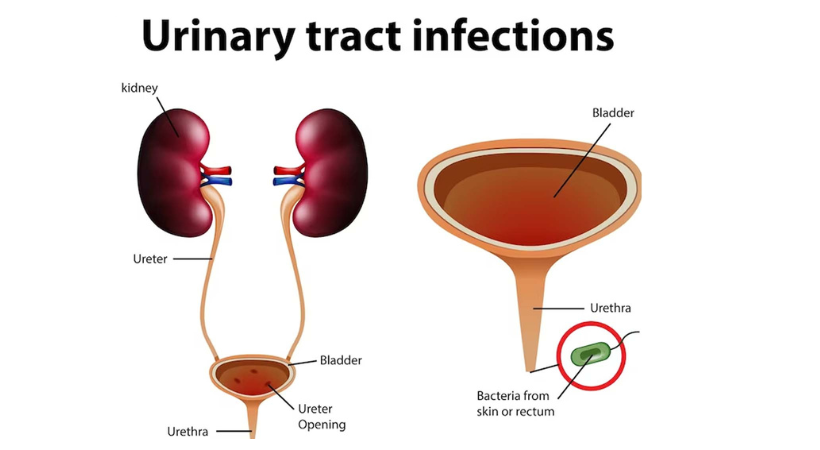
A Urinary Tract Infection (UTI) is an infection in any part of the urinary system—including the kidneys, ureters, bladder, or urethra. UTIs are extremely common, especially in women due to their shorter urethra. Men, elderly individuals, and children can also experience UTIs. With timely diagnosis and proper treatment, UTIs can be cured quickly and complications prevented.
What is a UTI?
A UTI occurs when bacteria—most commonly E. coli—enter the urinary tract and multiply. The infection can affect any part of the system:
Cystitis – bladder infection
Urethritis – urethral infection
Pyelonephritis – kidney infection (more serious)
Common Causes
UTIs can be caused by:
Poor hygiene
Sexual activity
Holding urine for long hours
Dehydration
Kidney stones
Diabetes
Enlarged prostate in men
Using catheters
Pregnancy
Menopause-related changes
Weakened immune system
Symptoms of UTI
UTI symptoms vary based on severity:
Burning sensation while urinating
Frequent urge to urinate
Passing small amounts of urine frequently
Cloudy or foul-smelling urine
Pelvic or lower abdominal pain
Blood in urine
Fever, nausea (in kidney infection)
Back pain (in severe cases)
Diagnosis & Tests
A urologist may recommend:
Urine routine test
Urine culture to identify bacteria
Ultrasound of kidney & bladder
Blood tests in severe infections
CT Scan if obstruction is suspected
Treatment Options
1. Antibiotics
The primary treatment based on culture reports.
2. Pain Relief Medication
To reduce burning and discomfort.
3. Hydration
Drinking plenty of water helps flush out bacteria.
4. Treatment of Underlying Causes
Removing kidney stones
Treating prostate enlargement
Managing diabetes
Changing catheters
5. Hospitalization (Severe Kidney Infection)
Given when symptoms include high fever, vomiting, or dehydration.
Complications if Untreated
If ignored, UTIs can lead to:
Recurrent infections
Kidney infection
Permanent kidney damage
Sepsis (life-threatening)
Urinary obstruction
Early treatment prevents these risks.
Prevention Tips
Drink 2–3 liters of water daily
Maintain proper genital hygiene
Urinate after intercourse
Avoid holding urine
Wear breathable cotton underwear
Avoid excessive use of scented products
For women: wipe front to back
When to See a Urologist?
Seek help if you have:
Persistent burning while urinating
Fever with chills
Repeated UTIs
Blood in urine
Lower abdominal pain
Weak urine flow (men)
Prompt evaluation ensures fast recovery and prevents complications.