Our Services
- Benign Prostatic Hyperplasia (BPH)
- Bladder Cancer
- Bladder infection
- Bladder Stone
- Circumcision
- Erectile dysfunction
- Kidney cancer
- Kidney infection
- Kidney Stone
- Overactive Bladder
- Prostate Cancer
- Prostatic Enlargement (Benign)
- Prostatitis
- Sexual Problems
- Testicular Cancer
- Ureteric Stone
- Urinary Incontinence
- Urinary Tract Infection
- Urinary Tract Obstruction
- Varicocele
About Dr. Deepak Mane
Dr. Deepak Mane is a Genito Urinary Medicine Physician and Urologist in Pimple Saudagar, Pune and has an experience of 21 years in these fields. Dr. Deepak Mane practices at Eras Bharati Hospital in Pimple Saudagar, Pune,7 Orange Hospitals in Pimpri-Chinchwad, Pune and Shree Multispeciality Hospital and ICU in Moshi, Pune.
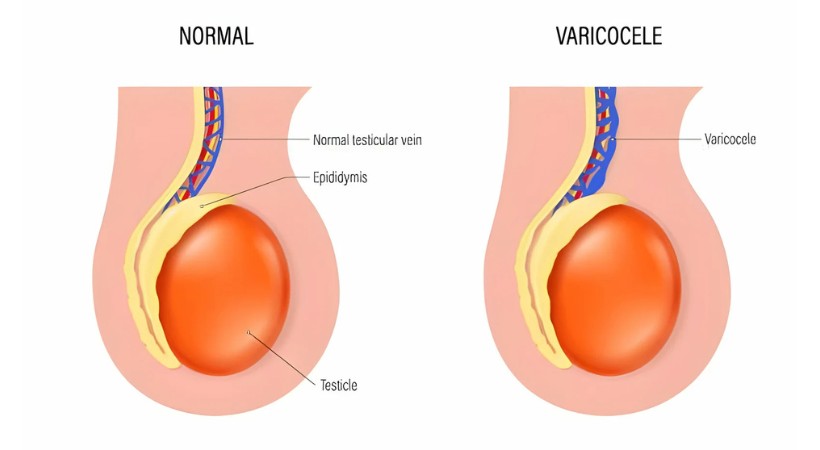
A Varicocele is a condition where the veins inside the scrotum become enlarged, similar to varicose veins in the legs. This occurs when blood flow in the spermatic cord veins becomes sluggish or obstructed. Varicoceles are one of the most common causes of reduced sperm quality and male infertility. Although not always painful, untreated varicocele can impact fertility, testicular growth, and testosterone levels.
What is Varicocele?
Inside the scrotum, veins form a network called the pampiniform plexus. A varicocele develops when these veins enlarge due to improper functioning of the valves that control blood flow.
Varicoceles usually occur on the left side (90% cases) but may occur on both sides.
Causes of Varicocele
The exact cause is not always clear, but contributing factors include:
Incompetent venous valves causing backflow
Increased pressure in scrotal veins
Structural differences in left-sided anatomy
Hormonal imbalances
Genetic weakness of vein walls
Symptoms of Varicocele
Many patients have no symptoms, but some may experience:
Dull, aching scrotal pain
Increased discomfort after standing for long hours
Visible or palpable enlarged veins
Feeling of heaviness or dragging in the scrotum
Swelling in the scrotal area
Low sperm count or poor motility
Decreased testicular size on the affected side
Symptoms often worsen with physical activity and improve when lying down.
Diagnosis
A urologist examines the scrotum while the patient is standing and lying down.
Diagnostic tests include:
Scrotal ultrasound
Doppler study to examine blood flow
Semen analysis in infertility cases
Hormonal tests if low testosterone is suspected
Grading of Varicocele
Varicoceles are classified into:
Grade 1 – felt only during pressure (Valsalva)
Grade 2 – felt without pressure
Grade 3 – visible through the skin
Impact on Fertility
A varicocele can affect fertility by:
Increasing scrotal temperature
Reducing sperm production
Decreasing sperm motility
Increasing sperm DNA fragmentation
Lowering testosterone levels
Most men with infertility due to varicocele benefit significantly after treatment.
Treatment Options
1. Observation
If there is no pain or fertility issue, monitoring may be recommended.
2. Medications
Pain relievers and anti-inflammatory drugs reduce discomfort but do not cure the varicocele.
3. Varicocele Surgery (Varicocelectomy)
A minimally invasive procedure to tie off abnormal veins and restore normal blood flow.
Techniques include:
Microsurgical Varicocelectomy (Gold Standard)
Laparoscopic Varicocelectomy
Embolization (non-surgical, catheter-based method)
Benefits of Treatment
Improves sperm quality
Increases chances of natural conception
Reduces pain and discomfort
Prevents testicular damage
Enhances testosterone production
When to See a Urologist?
Seek medical advice if you notice:
Scrotal swelling
Visible or bulging veins
Pain during long standing or exercising
Difficulty in conceiving
Reduced testicular size
Early consultation helps prevent long-term fertility problems.