
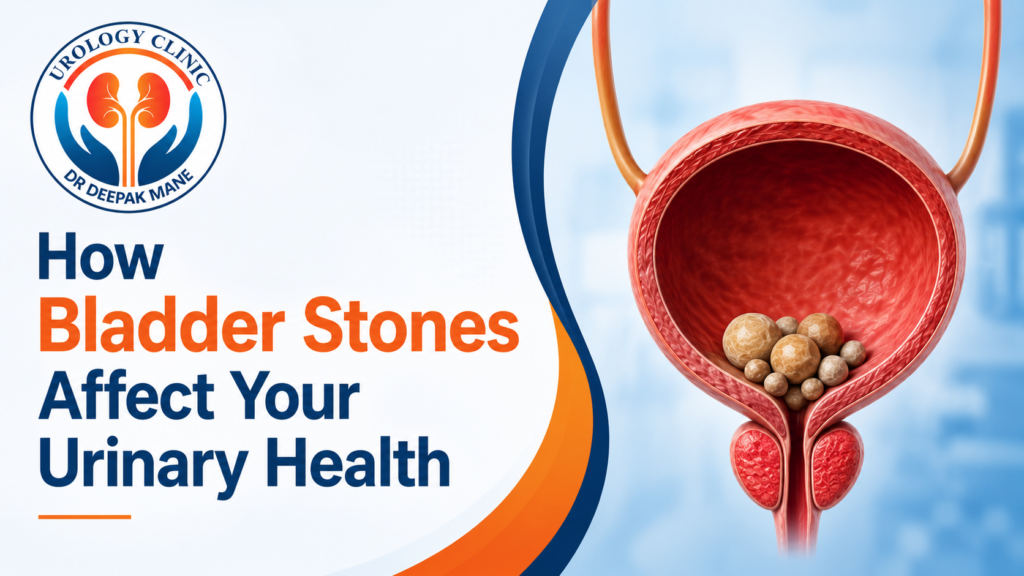
Bladder stones are hard mineral deposits that form inside the bladder and can cause significant discomfort if left untreated. These stones develop when urine becomes concentrated, allowing minerals to crystallize and stick together. Although bladder stones are treatable, ignoring the condition may lead to serious urinary complications and infections.
According to Dr. Deepakkumar Anandrao Mane, early diagnosis and proper treatment are essential to protect urinary health and prevent complications caused by bladder stones.
What Are Bladder Stones?
Bladder stones are solid masses formed from minerals in the urine. They may develop when the bladder does not empty completely, causing urine to remain inside for long periods.
Bladder stones can vary in size and may occur due to:
- Enlarged prostate
- Urinary tract infections (UTIs)
- Kidney stones moving into the bladder
- Nerve-related bladder problems
- Dehydration
- Urinary obstruction
How Bladder Stones Affect Urinary Health
1. Painful Urination
Bladder stones can irritate the bladder lining, causing pain or burning sensation while urinating.
2. Frequent Urination
Patients may experience frequent urges to urinate, especially during the night.
3. Difficulty Passing Urine
Larger stones can block urine flow and make urination difficult or painful.
4. Blood in Urine
Bladder stones may cause irritation and bleeding, leading to blood in the urine.
5. Recurrent Urinary Tract Infections
Untreated bladder stones increase the risk of repeated urinary infections and inflammation.
6. Lower Abdominal Pain
Some patients experience persistent discomfort or pressure in the lower abdomen.
Common Symptoms of Bladder Stones
Symptoms may include:
- Pain during urination
- Cloudy or dark urine
- Blood in urine
- Frequent urination
- Interrupted urine flow
- Lower abdominal pain
- Difficulty emptying the bladder
If these symptoms persist, medical evaluation is important.
Complications of Untreated Bladder Stones
Ignoring bladder stones can lead to:
- Chronic urinary infections
- Bladder damage
- Urinary retention
- Kidney damage
- Severe pain and discomfort
Early treatment helps prevent long-term urinary complications.
Diagnosis and Treatment
Bladder stones are diagnosed using:
- Urine tests
- Ultrasound
- CT scan
- X-rays
- Cystoscopy
Treatment depends on the size and location of the stones.
Advanced Treatment Options Include:
- Laser stone removal
- Endoscopic procedures
- Minimally invasive surgery
- Medication and hydration management
Modern laser-based treatments offer faster recovery and reduced discomfort.
Importance of Kidney Stone Treatment in Pune
Bladder stones are often associated with kidney stone problems and urinary tract conditions. Timely urological care is essential to maintain urinary health and prevent recurring stone formation.
Advanced urology centers now provide:
- Accurate diagnosis
- Laser stone treatment
- Minimally invasive procedures
- Personalized treatment plans
- Faster recovery solutions
Expert Urology Care in Pune
For advanced Kidney stone treatment in Pune, Dr. Deepakkumar Anandrao Mane is known for providing comprehensive and modern urological care.
With:
- 21+ years of medical experience
- 15+ years of specialization in Urology
Dr. Mane specializes in:
- Kidney stone treatment
- Bladder stone treatment
- Laser stone removal
- Minimally invasive urology procedures
- Advanced urinary tract care
His patient-focused and evidence-based approach ensures accurate diagnosis, effective treatment, and better recovery outcomes for patients suffering from urinary stone diseases.
Conclusion
Bladder stones can significantly affect urinary health and quality of life if left untreated. Symptoms such as painful urination, blood in urine, and frequent infections should never be ignored.
Early diagnosis and expert urological treatment can help prevent complications and restore healthy urinary function. If you experience symptoms related to bladder or kidney stones, consult an experienced urologist for proper evaluation and advanced treatment options.