
Our Services
- Benign Prostatic Hyperplasia (BPH)
- Bladder Cancer
- Bladder infection
- Bladder Stone
- Circumcision
- Erectile dysfunction
- Kidney cancer
- Kidney infection
- Kidney Stone
- Overactive Bladder
- Prostate Cancer
- Prostatic Enlargement (Benign)
- Prostatitis
- Sexual Problems
- Testicular Cancer
- Ureteric Stone
- Urinary Incontinence
- Urinary Tract Infection
- Urinary Tract Obstruction
- Varicocele
About Dr. Deepak Mane
Dr. Deepak Mane is a Genito Urinary Medicine Physician and Urologist in Pimple Saudagar, Pune and has an experience of 21 years in these fields. Dr. Deepak Mane practices at Eras Bharati Hospital in Pimple Saudagar, Pune,7 Orange Hospitals in Pimpri-Chinchwad, Pune and Shree Multispeciality Hospital and ICU in Moshi, Pune.
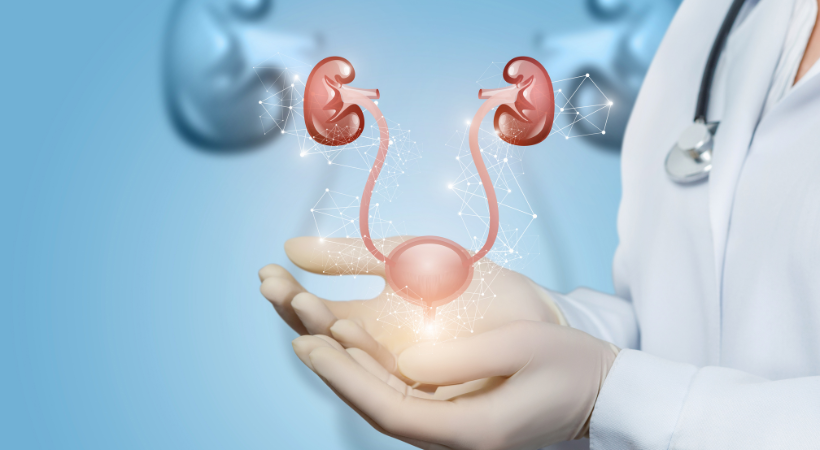
Bladder cancer is a type of cancer that begins in the tissues of the bladder—the organ responsible for storing urine. It is more commonly seen in older adults and is often linked to smoking or exposure to harmful chemicals. Early diagnosis and timely treatment significantly improve patient outcomes, making awareness and screening essential.
Understanding Bladder Cancer
Most bladder cancers start in the urothelium, the inner lining of the bladder. They can be:
Non-muscle-invasive cancer – confined to the inner layer
Muscle-invasive cancer – spreads into bladder muscle
Metastatic cancer – spreads outside the bladder
Non-muscle-invasive bladder cancer is more common but can recur, requiring long-term follow-up.
Symptoms of Bladder Cancer
Common warning signs include:
Blood in urine (painless hematuria)
Frequent urination
Pain or burning while urinating
Lower abdominal pain
Back or pelvic discomfort
Urgency but passing small amount of urine
Any episode of blood in urine should be taken seriously and evaluated immediately.
Risk Factors
Smoking (major cause)
Chemical exposure (dye, rubber, leather industries)
Chronic bladder infections
Family history
Radiation therapy to pelvis
Long-term catheter use
Diagnosis
To confirm bladder cancer, the following tests are performed:
Urine analysis & cytology
Ultrasound of urinary system
CT scan / MRI
Cystoscopy (camera examination of bladder)
Biopsy of bladder tissue
Cystoscopy is the most accurate test and plays a major role in diagnosis and follow-up.
Treatment Options
The treatment depends on the stage, grade, and spread of cancer.
1. For Non-Muscle-Invasive Bladder Cancer
TURBT (Transurethral Resection of Bladder Tumor): First-line treatment
Intravesical Therapy:
BCG therapy
Chemotherapy instillations
These therapies reduce recurrence and progression.
2. For Muscle-Invasive Bladder Cancer
Radical Cystectomy (removal of bladder)
Reconstruction of new urinary pathway (neobladder/urostomy)
Chemotherapy before or after surgery
Radiation therapy (in selected patients)
3. For Metastatic Cancer
Immunotherapy
Targeted therapy
Chemotherapy
These treatments help control disease and improve quality of life.
Survival & Recovery
With early diagnosis, bladder cancer has one of the highest survival rates in urology. Regular follow-up is critical because bladder cancer can return even after successful treatment.
Why Choose Us for Bladder Cancer Care?
Expert urologist experienced in complex bladder surgeries
High-definition cystoscopy system
Advanced diagnostic and pathology support
Tailored treatment based on international guidelines
Multidisciplinary team for comprehensive cancer care