
Our Services
- Benign Prostatic Hyperplasia (BPH)
- Bladder Cancer
- Bladder infection
- Bladder Stone
- Circumcision
- Erectile dysfunction
- Kidney cancer
- Kidney infection
- Kidney Stone
- Overactive Bladder
- Prostate Cancer
- Prostatic Enlargement (Benign)
- Prostatitis
- Sexual Problems
- Testicular Cancer
- Ureteric Stone
- Urinary Incontinence
- Urinary Tract Infection
- Urinary Tract Obstruction
- Varicocele
About Dr. Deepak Mane
Dr. Deepak Mane is a Genito Urinary Medicine Physician and Urologist in Pimple Saudagar, Pune and has an experience of 21 years in these fields. Dr. Deepak Mane practices at Eras Bharati Hospital in Pimple Saudagar, Pune,7 Orange Hospitals in Pimpri-Chinchwad, Pune and Shree Multispeciality Hospital and ICU in Moshi, Pune.
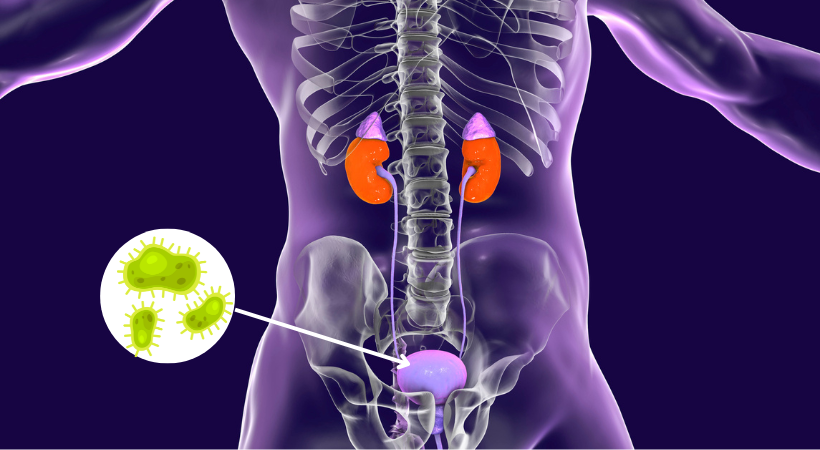
A bladder infection, medically known as cystitis, is one of the most common urinary tract problems experienced by both men and women. Although bladder infections are more frequent in women due to anatomical differences, men—especially older men—also experience infections often linked to prostate enlargement or urinary obstruction. While many cases are mild, untreated bladder infections can spread to the kidneys and lead to serious complications. Timely diagnosis and proper treatment ensure quick recovery and prevent recurrence.
What is a Bladder Infection?
A bladder infection occurs when harmful bacteria enter the urinary bladder and multiply, causing inflammation and discomfort. Most infections are caused by E. coli bacteria that naturally live in the intestines but reach the urinary tract due to poor hygiene, dehydration, or urinary retention.
Common Symptoms of Bladder Infection
Patients may experience one or multiple symptoms such as:
Frequent urge to urinate
Burning or pain during urination
Lower abdominal or pelvic pain
Cloudy, foul-smelling urine
Blood in urine (hematuria)
Feeling of incomplete bladder emptying
Fever or chills (in severe cases)
Women may also experience pressure or cramping in the lower abdomen.
Causes & Risk Factors
Bladder infections can occur due to various reasons:
Poor water intake and dehydration
Improper hygiene or wiping habits
Sexual activity
Prostate enlargement in men
Diabetes
Pregnancy
Weakened immune system
Use of urinary catheters
Kidney stones or urinary blockage
Older adults are at higher risk because the bladder muscles weaken with age, increasing the chance of incomplete emptying.
Diagnosis
To diagnose cystitis accurately, we perform:
Urine routine test
Urine culture (to identify bacteria)
Ultrasound of kidneys and bladder
Blood tests (if infection is severe)
In recurrent cases, additional tests like cystoscopy may be advised to detect structural issues.
Treatment Options
Treatment depends on the severity and underlying cause of the infection.
1. Antibiotics
This is the primary treatment. Based on urine culture, the correct antibiotic is prescribed to eliminate the infection.
2. Pain Relief Medication
Helps reduce burning and discomfort during urination.
3. Increased Fluid Intake
Drinking 2–3 liters of water daily helps flush bacteria out of the bladder.
4. Treatment of Underlying Problems
Removal of bladder stones
Prostate treatment in men with BPH
Managing diabetes
Treating kidney infections if present
5. Follow-up Urine Tests
For recurrent infections, repeat tests ensure the infection is fully cleared.
Prevention Tips
Drink enough water daily
Maintain good personal hygiene
Urinate after sexual activity
Avoid holding urine for long periods
Wear comfortable, breathable clothing
Manage diabetes or chronic health issues
Avoid excessive use of irritants like scented soaps
Complications if Untreated
A simple infection can become dangerous if ignored:
Pyelonephritis (kidney infection)
Kidney damage
Sepsis (in extreme cases)
Chronic recurrent infections
Early treatment prevents complications and ensures faster recovery.
Why Choose Us for Bladder Infection Care?
Expert diagnosis and personalized treatment
Fast relief with the right antibiotic therapy
Comprehensive evaluation for recurrent infections
Modern lab testing and imaging facilities
Patient-friendly care for all age groups
With proper treatment and preventive care, bladder infections can be easily managed and future episodes minimized.