
Our Services
- Benign Prostatic Hyperplasia (BPH)
- Bladder Cancer
- Bladder infection
- Bladder Stone
- Circumcision
- Erectile dysfunction
- Kidney cancer
- Kidney infection
- Kidney Stone
- Overactive Bladder
- Prostate Cancer
- Prostatic Enlargement (Benign)
- Prostatitis
- Sexual Problems
- Testicular Cancer
- Ureteric Stone
- Urinary Incontinence
- Urinary Tract Infection
- Urinary Tract Obstruction
- Varicocele
About Dr. Deepak Mane
Dr. Deepak Mane is a Genito Urinary Medicine Physician and Urologist in Pimple Saudagar, Pune and has an experience of 21 years in these fields. Dr. Deepak Mane practices at Eras Bharati Hospital in Pimple Saudagar, Pune,7 Orange Hospitals in Pimpri-Chinchwad, Pune and Shree Multispeciality Hospital and ICU in Moshi, Pune.
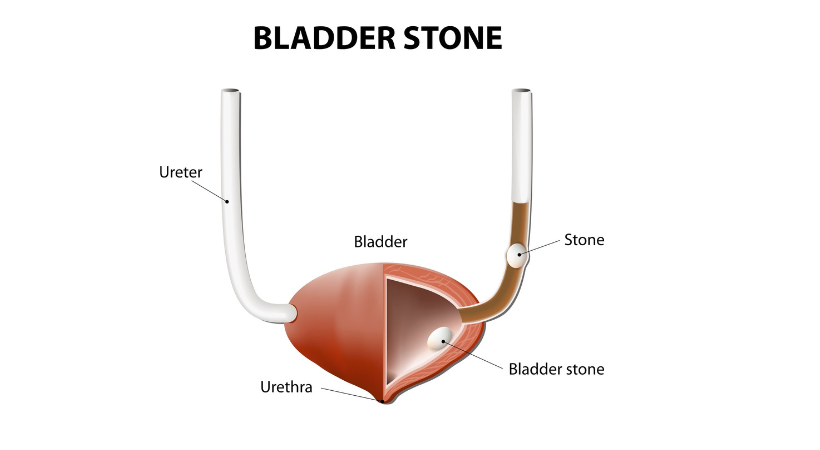
Bladder stones are hard, mineral-based deposits that form inside the urinary bladder. They occur when urine becomes concentrated, allowing minerals to crystallize and form stones. While small stones may pass without symptoms, larger stones can cause significant discomfort, infection, and blockage. Bladder stones are more common in men, especially those with prostate enlargement or chronic urinary retention.
What Are Bladder Stones?
Bladder stones develop when urine remains in the bladder for too long and minerals crystallize due to stagnation. Stones vary in size—from tiny grains to large stones several centimeters wide. When they irritate the bladder wall or block the urinary outlet, symptoms become noticeable.
Symptoms of Bladder Stones
Frequent urination
Pain or burning during urination
Lower abdominal or pelvic pain
Difficulty passing urine
Blood in urine
Cloudy or dark-colored urine
Sudden interruption of urine flow
In men, worsening urinary symptoms related to prostate enlargement
Symptoms are often more noticeable when walking, exercising, or during sudden movements.
Causes & Risk Factors
Bladder stones can form due to:
Enlarged prostate (BPH)
Bladder outlet obstruction
Neurogenic bladder (nerve-related bladder issues)
Chronic urinary infections
Foreign objects in bladder (catheters)
Bladder diverticula
Kidney stones that pass into the bladder and grow
Dehydration
Middle-aged and older men are at higher risk, but bladder stones can occur in both genders.
Diagnosis
A complete evaluation includes:
Urine routine test
Ultrasound of kidneys and bladder
X-ray or CT scan for stone size and location
Cystoscopy (direct visualization using a camera)
Cystoscopy is often the most accurate method to confirm bladder stones.
Treatment Options
Treatment depends on stone size, number, and patient condition.
1. Cystolitholapaxy (Endoscopic Removal)
This is the most common and effective treatment.
A small camera is inserted through the urethra
Stones are fragmented using laser or mechanical energy
Fragments are removed through the same channel
No cuts or major surgery
Quick recovery and minimal discomfort
2. Laser Stone Fragmentation
Laser technology breaks stones into tiny pieces that can be washed out easily.
3. Open Surgery
Reserved for very large stones or when endoscopic removal is not possible, especially in children or patients with anatomical abnormalities.
Post-Treatment Recovery
Patients usually resume normal activities within 1–2 days
Drinking more water helps prevent recurrence
Follow-up tests ensure bladder is fully cleared
Complications if Untreated
Ignoring bladder stones can lead to:
Recurrent urinary infections
Severe bladder irritation
Difficulty urinating
Blood in urine
Kidney damage (in long-standing cases)
Timely removal prevents long-term urinary damage.
Why Choose Us for Bladder Stone Treatment?
Expertise in laser and endoscopic stone removal
No-cut, painless procedures
Advanced imaging and diagnostic support
Quick recovery with minimal hospital stay
Complete evaluation to prevent recurrence
With advanced endoscopic techniques, bladder stones can be treated safely, effectively, and with minimal discomfort.