Our Services
- Benign Prostatic Hyperplasia (BPH)
- Bladder Cancer
- Bladder infection
- Bladder Stone
- Circumcision
- Erectile dysfunction
- Kidney cancer
- Kidney infection
- Kidney Stone
- Overactive Bladder
- Prostate Cancer
- Prostatic Enlargement (Benign)
- Prostatitis
- Sexual Problems
- Testicular Cancer
- Ureteric Stone
- Urinary Incontinence
- Urinary Tract Infection
- Urinary Tract Obstruction
- Varicocele
About Dr. Deepak Mane
Dr. Deepak Mane is a Genito Urinary Medicine Physician and Urologist in Pimple Saudagar, Pune and has an experience of 21 years in these fields. Dr. Deepak Mane practices at Eras Bharati Hospital in Pimple Saudagar, Pune,7 Orange Hospitals in Pimpri-Chinchwad, Pune and Shree Multispeciality Hospital and ICU in Moshi, Pune.
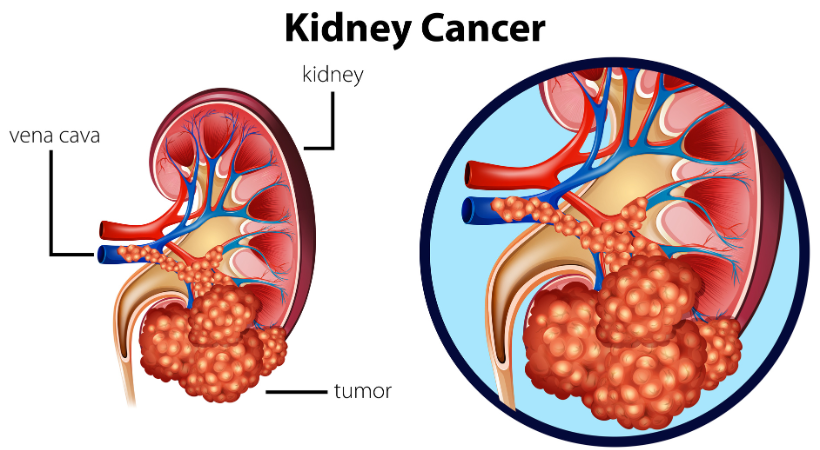
Kidney cancer, also known as renal cancer, is a type of cancer that begins in the kidneys—two bean-shaped organs responsible for filtering waste from the blood. Kidney cancer often develops silently, without symptoms in the early stages, making timely diagnosis crucial. With the advancement of medical imaging and minimally invasive surgical techniques, kidney cancer can be treated effectively, especially when detected early. Our centre offers comprehensive evaluation, accurate diagnosis, and customized treatment plans for all types of kidney tumors.
Types of Kidney Cancer
The most common forms of kidney cancer include:
Renal Cell Carcinoma (RCC): Most common type in adults
Transitional Cell Carcinoma: Occurs in the renal pelvis
Wilms’ Tumor: Mostly seen in children
Renal Sarcoma: Rare but aggressive
Understanding the type and stage of cancer helps decide the best treatment approach.
Symptoms of Kidney Cancer
Early-stage kidney cancer often has no symptoms. As the disease progresses, patients may notice:
Blood in urine
Persistent lower back or flank pain
Unexplained weight loss
A lump or mass on the side of the abdomen
Fatigue and weakness
Loss of appetite
Recurrent fever not linked to infection
High blood pressure
Anemia
Any of these symptoms warrant immediate medical evaluation.
Risk Factors
Individuals may be at higher risk for kidney cancer due to:
Smoking
Obesity
High blood pressure
Family history of kidney cancer
Long-term dialysis
Von Hippel-Lindau disease & other genetic conditions
Exposure to workplace chemicals
Age above 50
Diagnosis of Kidney Cancer
Accurate diagnosis is essential for planning treatment. Investigations include:
Ultrasound: Initial screening
CT Scan / MRI: Confirms size, location, and spread
Blood Tests: Kidney function, anemia check
Urine Test: Detects blood or abnormal cells
Biopsy (in selected cases)
In most cases, imaging alone is enough to diagnose kidney tumors.
Treatment Options for Kidney Cancer
Treatment depends on tumor size, stage, and patient health.
1. Partial Nephrectomy (Kidney-Sparing Surgery)
Removes only the tumor, preserving the healthy kidney. Recommended for:
Small tumors
Early-stage cancer
Patients with a single kidney
This procedure can be performed laparoscopically or robotically.
2. Radical Nephrectomy
Removal of the entire kidney when the tumor is large or centrally located.
Includes:
Kidney removal
Adrenal gland removal (sometimes)
Surrounding fatty tissues
Laparoscopic or robotic techniques ensure faster recovery and minimal pain.
3. Ablation Techniques
Used for very small tumors or patients unfit for surgery.
Radiofrequency Ablation (RFA)
Cryoablation (Freezing the tumor)
4. Targeted Therapy
Drugs that block cancer growth by targeting specific proteins.
5. Immunotherapy
Boosts the immune system to fight cancer.
6. Chemotherapy & Radiation
Used in rare cases, especially for advanced cancers.
Recovery & Follow-Up
Patients typically return to normal activity within a few weeks after minimally invasive surgery. Regular follow-up scans are essential to ensure cancer does not return.
Why Choose Us for Kidney Cancer Treatment?
Expertise in robotic and laparoscopic kidney tumor surgery
Personalized cancer care plans
Advanced radiology and diagnostic support
Multidisciplinary team approach
High success rates with minimal complications
Compassionate care and constant guidance
Early diagnosis ensures a higher survival rate—our goal is to provide the best outcomes with modern, safe, and effective treatments.