Our Services
- Benign Prostatic Hyperplasia (BPH)
- Bladder Cancer
- Bladder infection
- Bladder Stone
- Circumcision
- Erectile dysfunction
- Kidney cancer
- Kidney infection
- Kidney Stone
- Overactive Bladder
- Prostate Cancer
- Prostatic Enlargement (Benign)
- Prostatitis
- Sexual Problems
- Testicular Cancer
- Ureteric Stone
- Urinary Incontinence
- Urinary Tract Infection
- Urinary Tract Obstruction
- Varicocele
About Dr. Deepak Mane
Dr. Deepak Mane is a Genito Urinary Medicine Physician and Urologist in Pimple Saudagar, Pune and has an experience of 21 years in these fields. Dr. Deepak Mane practices at Eras Bharati Hospital in Pimple Saudagar, Pune,7 Orange Hospitals in Pimpri-Chinchwad, Pune and Shree Multispeciality Hospital and ICU in Moshi, Pune.
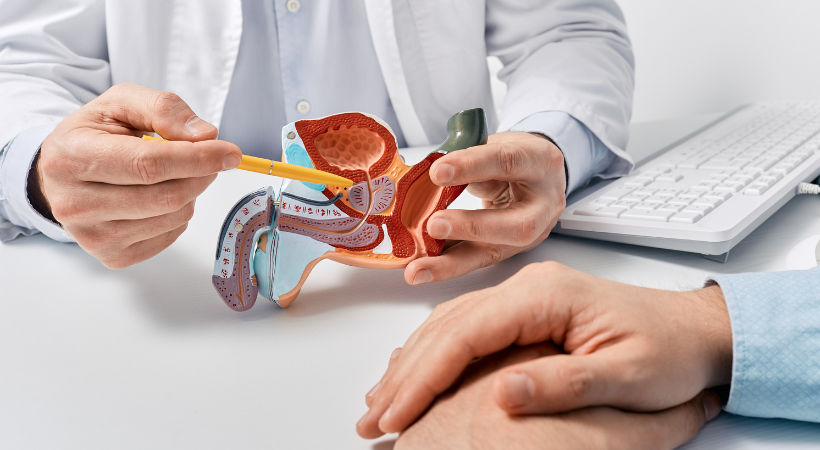
Prostatic Enlargement, also known as Benign Prostatic Hyperplasia (BPH), is a non-cancerous enlargement of the prostate gland. It is one of the most common urological conditions affecting men as they age. Although benign, an enlarged prostate can significantly affect daily life, leading to uncomfortable urinary symptoms and complications if left untreated.
What Causes Prostatic Enlargement?
The exact reason for prostate enlargement is not fully understood, but the condition is strongly linked to age-related hormonal changes. As men grow older, testosterone levels gradually decrease while estrogen levels remain stable or even rise. This hormonal imbalance leads to excessive growth of prostate tissues.
Other contributing factors include:
Family history of prostate problems
Obesity and sedentary lifestyle
Diabetes and heart diseases
Poor diet and smoking
Chronic inflammation
Prostatic enlargement is not cancerous, but its symptoms can severely affect quality of life.
Common Symptoms
The growing prostate gland presses against the urethra, restricting urine flow. Symptoms include:
Frequent urination, especially at night
Weak, slow, or interrupted urine stream
Difficulty starting urination
Feeling that the bladder isn’t fully empty
Urgency to urinate
Dribbling after urination
Pain or burning sensation (in advanced cases)
If untreated, complications like urinary retention, bladder stones, recurrent infections, or kidney damage can occur.
Diagnosis
A urologist may suggest various tests to determine the extent of enlargement:
Medical history and symptom evaluation
Digital rectal examination
Urine test
PSA level test
Ultrasound of prostate and kidneys
Uroflowmetry to measure urine flow
Post-void residual urine test
These assessments help identify the severity and guide the treatment plan.
Treatment Options
Treatment depends on symptoms, prostate size, and patient preference.
1. Lifestyle Modifications
Mild cases can be improved with:
Reducing caffeine, alcohol, and spicy foods
Drinking less water before bedtime
Regular exercise
Weight management
2. Medications
Doctors may prescribe:
Alpha-blockers to relax prostate muscles
5-alpha reductase inhibitors to shrink the prostate
Combination therapy for significant enlargement
These medications help ease urinary flow and reduce symptoms.
3. Minimally Invasive Treatments
Modern, safe, and highly effective procedures include:
TURP (Transurethral Resection of Prostate)
TUIP (Transurethral Incision of Prostate)
Laser therapies such as HoLEP or GreenLight Laser
UroLift system
They offer quick recovery, minimal discomfort, and long-term relief.
4. Surgical Treatment
For extremely large prostates or severe symptoms, surgery may be recommended to remove obstructive tissues.
Recovery & Aftercare
Most patients recover quickly with proper hydration, medications, and follow-up visits. Lifestyle improvements help maintain urinary health and prevent recurrence.
Conclusion
Prostatic Enlargement is a common and manageable condition. With advanced diagnostic tools, modern minimally invasive treatments, and expert urological care, patients can experience significant symptom relief and restore normal urinary function. Early evaluation ensures better outcomes and a higher quality of life.