Our Services
- Benign Prostatic Hyperplasia (BPH)
- Bladder Cancer
- Bladder infection
- Bladder Stone
- Circumcision
- Erectile dysfunction
- Kidney cancer
- Kidney infection
- Kidney Stone
- Overactive Bladder
- Prostate Cancer
- Prostatic Enlargement (Benign)
- Prostatitis
- Sexual Problems
- Testicular Cancer
- Ureteric Stone
- Urinary Incontinence
- Urinary Tract Infection
- Urinary Tract Obstruction
- Varicocele
About Dr. Deepak Mane
Dr. Deepak Mane is a Genito Urinary Medicine Physician and Urologist in Pimple Saudagar, Pune and has an experience of 21 years in these fields. Dr. Deepak Mane practices at Eras Bharati Hospital in Pimple Saudagar, Pune,7 Orange Hospitals in Pimpri-Chinchwad, Pune and Shree Multispeciality Hospital and ICU in Moshi, Pune.
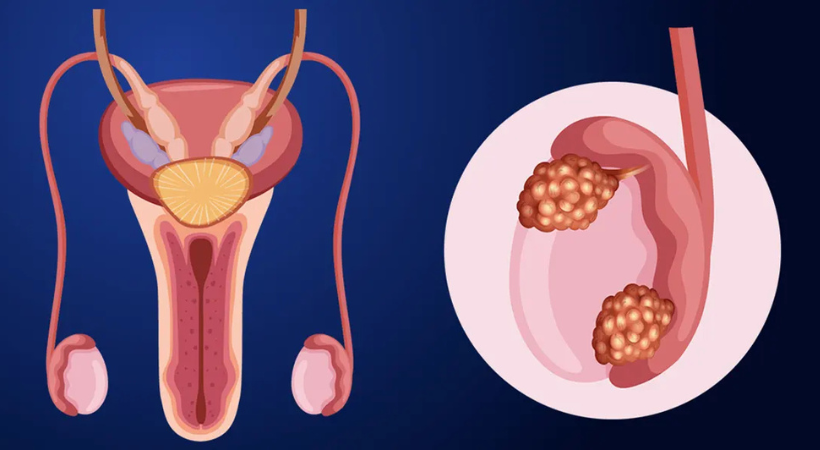
Testicular cancer occurs when abnormal cells begin to grow uncontrollably in one or both testicles. Although relatively rare compared to other cancers, it is the most common cancer in young men aged 15–45. The good news is that testicular cancer is one of the most treatable and curable cancers, especially when detected early. With modern treatments, survival rates are very high, even in cases where cancer has spread.
Causes & Risk Factors
While the exact cause is unknown, several factors increase the risk:
1. Undescended Testicle (Cryptorchidism)
Men whose testicles did not descend properly at birth are at higher risk.
2. Family History
Having a father or brother with testicular cancer increases risk.
3. Age
Common in men between 15 and 45 years but can occur at any age.
4. Previous Testicular Cancer
Men who have had cancer in one testicle are more prone to developing it in the other.
5. Genetic Disorders
Conditions like Klinefelter syndrome may contribute.
6. Race/Ethnicity
More common in Caucasian populations, though seen across all groups.
Despite these risks, many men diagnosed with testicular cancer have no known risk factor.
Types of Testicular Cancer
There are two main categories:
1. Seminomas
Grow slowly and are highly responsive to radiation and chemotherapy.
2. Non-seminomas
Grow faster but also respond very well to treatment.
Both types are treated with excellent success rates.
Signs & Symptoms
Testicular cancer may develop silently, but common symptoms include:
A painless lump or swelling in one testicle
Feeling of heaviness in the scrotum
Dull ache in the groin or lower abdomen
Sudden collection of fluid in the scrotum
Enlargement or tenderness of the breast tissue (rare)
Back pain (in advanced cases)
Any lump in the testicle must be evaluated immediately, as early diagnosis ensures quick and effective treatment.
Diagnosis
A urologist may perform several tests:
Physical Examination
Ultrasound of the Testis – the most accurate initial test
Blood Tumor Markers (AFP, β-hCG, LDH)
CT Scan of the abdomen/pelvis to check for spread
Chest imaging to evaluate lung involvement
Once diagnosis is confirmed, cancer is “staged” to plan the treatment approach.
Treatment Options
1. Surgery (Orchiectomy)
The primary treatment is removal of the affected testicle. This procedure is safe and does not affect sexual function if the other testicle is healthy.
2. Chemotherapy
Used for cancers that have spread beyond the testicle. It destroys cancer cells throughout the body.
3. Radiation Therapy
Often used for seminoma-type cancers. It targets remaining cancer cells after surgery.
4. Retroperitoneal Lymph Node Dissection (RPLND)
A specialized surgery used in selected cases to remove affected lymph nodes.
5. Fertility Preservation
Men may be offered sperm banking before treatment if future fertility is a concern.
Prognosis & Recovery
Testicular cancer has an excellent cure rate, often above 90%. Even advanced cases respond remarkably well to treatment. Regular follow-up tests and imaging help prevent recurrence.
Conclusion
Testicular cancer, though uncommon, is highly curable when treated on time. Awareness of symptoms and early consultation with a urologist can save lives. With modern surgical and medical treatments, most patients live a long, healthy, and cancer-free life.