
Our Services
- Benign Prostatic Hyperplasia (BPH)
- Bladder Cancer
- Bladder infection
- Bladder Stone
- Circumcision
- Erectile dysfunction
- Kidney cancer
- Kidney infection
- Kidney Stone
- Overactive Bladder
- Prostate Cancer
- Prostatic Enlargement (Benign)
- Prostatitis
- Sexual Problems
- Testicular Cancer
- Ureteric Stone
- Urinary Incontinence
- Urinary Tract Infection
- Urinary Tract Obstruction
- Varicocele
About Dr. Deepak Mane
Dr. Deepak Mane is a Genito Urinary Medicine Physician and Urologist in Pimple Saudagar, Pune and has an experience of 21 years in these fields. Dr. Deepak Mane practices at Eras Bharati Hospital in Pimple Saudagar, Pune,7 Orange Hospitals in Pimpri-Chinchwad, Pune and Shree Multispeciality Hospital and ICU in Moshi, Pune.
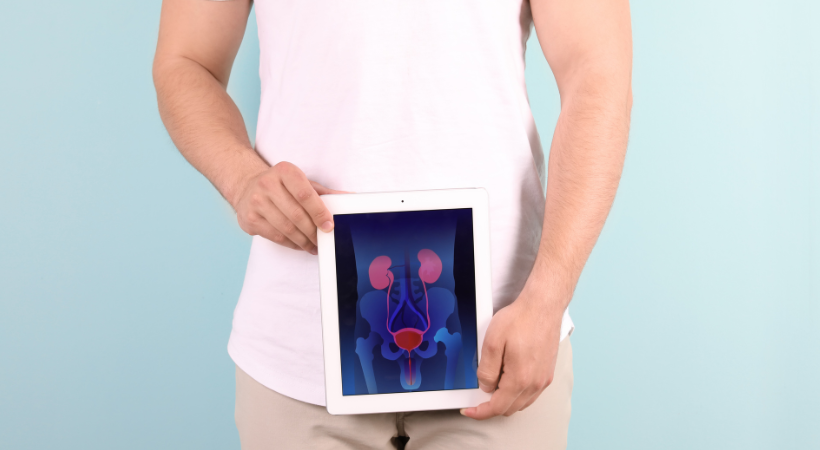
Urinary Tract Obstruction is a condition in which the normal flow of urine is blocked at any point in the urinary system—kidneys, ureters, bladder, or urethra. This blockage prevents urine from passing smoothly, causing it to build up and put pressure on the kidneys. If not treated in time, urinary obstruction can lead to severe pain, urinary infections, kidney damage, and even permanent loss of kidney function.
It can occur suddenly (acute obstruction) or develop gradually over time (chronic obstruction). The condition affects both men and women, but is especially common in men due to prostate-related issues.
What is Urinary Tract Obstruction?
The urinary system consists of:
Kidneys
Ureters (tubes that carry urine to the bladder)
Bladder
Urethra (tube that carries urine out)
A blockage at any of these points is called urinary tract obstruction. The obstruction may be partial or complete, temporary or permanent.
Common Causes of Urinary Obstruction
Urinary obstruction may be caused by:
Kidney or Ureter Causes:
Kidney stones
Ureteric stones
Ureteral strictures (narrowing of ureter)
Tumors or cysts
Blood clots
Scar tissue from previous infections or surgeries
Bladder & Urethral Causes:
Enlarged prostate (BPH)
Prostate cancer
Urethral stricture
Bladder stones
Bladder tumors
Neurogenic bladder (nerve-related issues)
Other Causes:
Pregnancy-related compression
Severe constipation
Pelvic injuries
Congenital abnormalities (in children)
Symptoms of Urinary Tract Obstruction
Symptoms depend on the location and severity of the blockage:
Severe flank or abdominal pain
Difficulty urinating
Weak or slow urine stream
Frequent urination
Pain or burning sensation while urinating
Blood in urine
Swelling of kidneys (hydronephrosis)
Nausea and vomiting
Recurrent urinary tract infections
Fever (if infection develops)
Acute obstruction from a stone causes sudden, sharp, intense pain—often requiring emergency care.
Diagnosis & Tests
A urologist may recommend:
Ultrasound of kidney, ureter & bladder
CT Scan to locate stones or blockage
IVP (Intravenous Pyelogram)
Urine test to check infection
Blood test to assess kidney function
Cystoscopy to examine urethra & bladder
Urodynamic studies (in functional obstruction)
Accurate diagnosis helps determine the exact treatment plan.
Treatment Options
Treatment depends on the cause, severity, and location of the obstruction.
1. Kidney or Ureteric Stones
Medications to pass small stones
Lithotripsy (ESWL) – shock wave therapy
URS (Ureteroscopy) – laser removal
PCNL – minimally invasive kidney stone surgery
2. Enlarged Prostate (BPH)
Alpha-blockers & 5-ARI medications
Laser prostate surgery
TURP (Transurethral Resection of Prostate)
3. Urethral Stricture
Dilation
Endoscopic repair
Urethroplasty (surgical reconstruction)
4. Tumors
Surgical removal
Chemotherapy / radiation for cancer
Stenting to relieve blockages
5. Emergency Situations
If severe obstruction threatens kidney function:
Nephrostomy tube placed in kidney
Ureteral stent to open the blocked path
Complications if Untreated
Untreated obstruction can cause:
Permanent kidney damage
Hydronephrosis
Repeated infections
Bladder dysfunction
Sepsis (life-threatening infection)
Chronic kidney disease
Therefore, early evaluation is crucial.
When to See a Urologist?
Seek immediate help if you experience:
Severe back or side pain
Inability to urinate
Blood in urine
Fever with chills
Recurrent UTIs
Early treatment restores normal urine flow and protects kidney health.