Kidney stones are one of the most common urinary tract conditions, affecting millions of people worldwide. They can cause sudden, severe pain and significant discomfort, leaving many patients wondering whether the stone will pass on its own or require medical treatment. The answer depends on several factors, including the stone’s size, location, and the symptoms it causes.
If you are experiencing symptoms of a kidney stone, understanding your treatment options is essential. While some small stones can pass naturally, others require prompt medical intervention to prevent complications. Patients seeking Kidney stone treatment often benefit from an early evaluation to determine the most appropriate approach. If you are also looking for Prostate treatment in PCMC, it is important to consult a qualified urologist who can diagnose and manage a wide range of urinary conditions.
What Is a Kidney Stone?
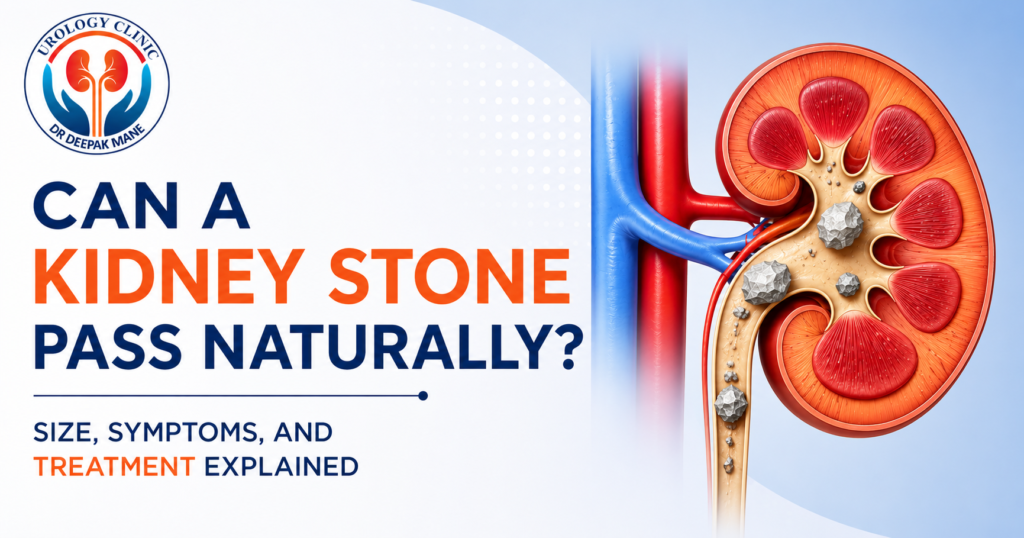
A kidney stone is a hard deposit made of minerals and salts that forms inside the kidneys. Stones develop when urine becomes concentrated, allowing minerals such as calcium, oxalate, or uric acid to crystallize and stick together.
According to the National Institute of Diabetes and Digestive and Kidney Diseases (NIDDK), kidney stones affect approximately 1 in 10 people during their lifetime.
Kidney stones vary in size, shape, and composition. Some remain inside the kidney without causing symptoms, while others move into the ureter, leading to severe pain.
Can a Kidney Stone Pass Naturally?
Yes, many kidney stones can pass naturally, particularly if they are small. However, the likelihood of passing a stone depends mainly on its size and location.
Kidney Stone Size and Chances of Passing Naturally
- Stones smaller than 4 mm usually pass naturally in most cases.
- Stones measuring 4 to 6 mm may also pass naturally but often require medication and close monitoring.
- Stones larger than 6 mm are less likely to pass without medical treatment.
- Stones larger than 10 mm generally require surgical intervention or other advanced procedures.
According to the European Association of Urology, smaller stones have significantly higher spontaneous passage rates compared to larger stones.
Although size is an important factor, the stone’s position within the urinary tract also affects whether it can pass on its own.
Common Symptoms of Kidney Stones
The symptoms vary depending on whether the stone remains in the kidney or begins moving through the urinary tract.
Common symptoms include:
- Severe pain in the back or side
- Pain that radiates to the lower abdomen or groin
- Burning sensation during urination
- Blood in the urine
- Frequent urge to urinate
- Nausea and vomiting
- Cloudy or foul-smelling urine
- Fever and chills if an infection develops
Pain often comes in waves and may change in intensity as the stone moves.
When Should You Seek Immediate Medical Care?
Although some kidney stones pass naturally, certain symptoms require urgent evaluation.
Warning Signs That Need Immediate Attention
- Severe pain that does not improve
- Fever or chills
- Persistent vomiting
- Difficulty passing urine
- Blood in large amounts in the urine
- Pain accompanied by signs of infection
Ignoring these symptoms may lead to kidney damage or serious infections that require emergency treatment.
The American Urological Association recommends prompt medical assessment when kidney stones are associated with infection, persistent obstruction, or uncontrolled pain.
How Are Kidney Stones Diagnosed?
A urologist will evaluate your symptoms and recommend appropriate investigations to confirm the diagnosis.
Diagnostic tests may include:
- Urine analysis
- Blood tests
- Ultrasound
- CT scan
- X-ray when appropriate
These investigations help determine the size, location, and type of stone, allowing your doctor to recommend the most suitable Kidney stone treatment.
Treatment Options for Kidney Stones
Treatment depends on the size of the stone, the severity of symptoms, and whether complications are present.
Conservative Management
Small stones often pass naturally with supportive treatment that may include:
- Drinking adequate fluids
- Pain-relieving medications
- Medicines that relax the ureter to help the stone pass
- Regular follow-up imaging
Many patients successfully pass small stones within a few weeks.
Medical and Surgical Treatment
Larger stones or stones causing obstruction may require intervention.
Modern treatment options include:
- Laser kidney stone removal
- Ureteroscopy
- Extracorporeal Shock Wave Lithotripsy (ESWL)
- Percutaneous Nephrolithotomy (PCNL)
These minimally invasive procedures offer high success rates with shorter recovery times.
Can Kidney Stones Be Prevented?
Preventing future stones is just as important as treating existing ones. Lifestyle changes can significantly reduce the risk of recurrence.
Tips to Reduce the Risk of Kidney Stones
- Drink at least 2 to 3 litres of water daily unless advised otherwise
- Reduce excess salt intake
- Limit foods high in oxalates when appropriate
- Maintain a healthy body weight
- Eat a balanced diet rich in fruits and vegetables
- Follow your doctor’s dietary recommendations based on the stone type
According to the National Kidney Foundation, individuals who have had one kidney stone are at increased risk of developing another if preventive measures are not followed.
When Should You Consult a Urologist?
You should consult a urologist if:
- Pain becomes severe or recurrent
- You notice blood in your urine
- The stone does not pass after several weeks
- You develop fever or urinary infection
- You have repeated kidney stones
- Imaging shows a large stone
Early diagnosis can prevent complications and preserve kidney function.
Expert Kidney Stone Care with Dr. Deepakkumar Mane
Kidney stones should never be ignored, especially if symptoms are severe or persistent. Dr. Deepakkumar Mane provides comprehensive evaluation and advanced treatment for kidney stones using modern diagnostic techniques and minimally invasive procedures tailored to each patient’s condition.
Whether you require medical management or advanced laser stone removal, personalized care can help you recover safely and reduce the risk of recurrence. If you are searching for reliable Kidney stone treatment in PCMC, Dr. Deepakkumar Mane offers expert urological care focused on accurate diagnosis, effective treatment, and long-term kidney health.
Conclusion
Many kidney stones, particularly smaller ones, can pass naturally with proper hydration and medical supervision. However, larger stones or those causing severe pain, infection, or urinary blockage often require specialized treatment.
Recognizing the symptoms early and seeking timely Kidney stone treatment can prevent complications and protect your kidney function. If you experience persistent pain or suspect a kidney stone, consult a qualified urologist to receive the right diagnosis and treatment.
#KidneyStone #KidneyStoneTreatment #UrologyCare #KidneyHealth #LaserKidneyStoneTreatment #Urologist #UrinaryHealth #StonePrevention #HealthyKidneys #MedicalAwareness #Healthcare #Wellness